
Font making

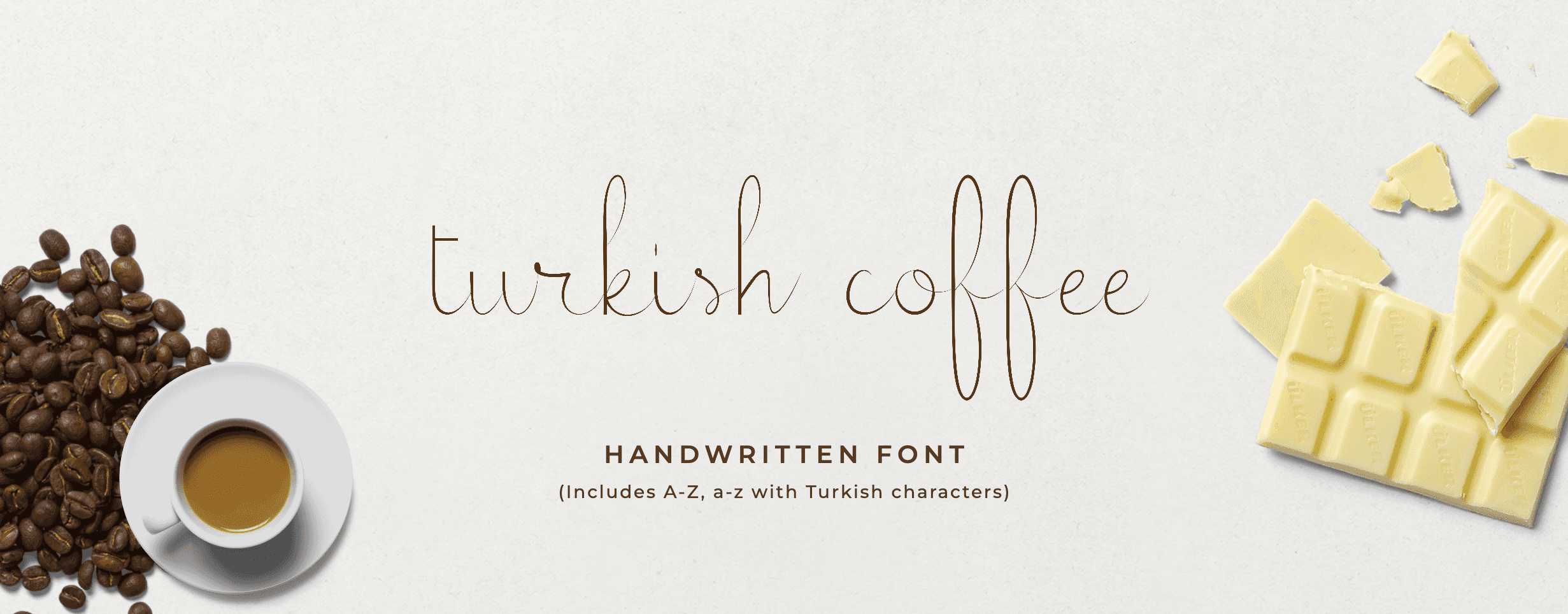
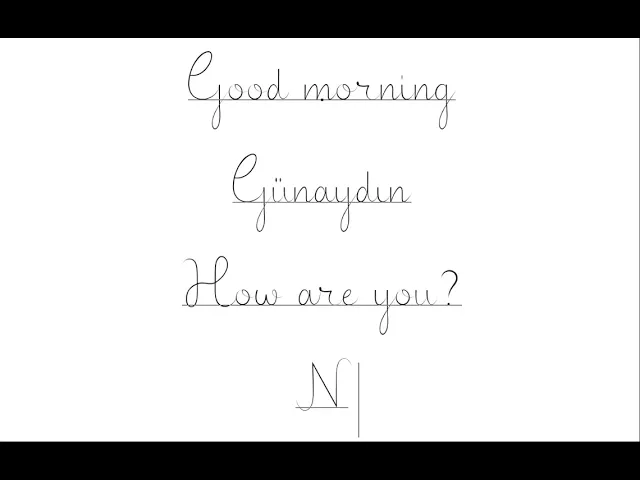
This project started from a friend’s handwriting and became a personal experiment in turning natural cursive writing into a usable digital font.

The project involved collecting handwriting samples, redrawing each character, refining letter connections, and building the font in Glyphs. I also explored how ligatures could help preserve the natural flow of cursive handwriting across different letter combinations.

Type design

Glyphs

Personal project

Font making

This project started from a friend’s handwriting and became a personal experiment in turning natural cursive writing into a usable digital font.

The project involved collecting handwriting samples, redrawing each character, refining letter connections, and building the font in Glyphs. I also explored how ligatures could help preserve the natural flow of cursive handwriting across different letter combinations.

Type design

Glyphs

Personal project

Font making

This project started from a friend’s handwriting and became a personal experiment in turning natural cursive writing into a usable digital font.

The project involved collecting handwriting samples, redrawing each character, refining letter connections, and building the font in Glyphs. I also explored how ligatures could help preserve the natural flow of cursive handwriting across different letter combinations.

Type design

Glyphs

Personal project

Tools

I began by learning the basics of font creation through online courses, tutorials, and documentation. Since this was my first type design project, I explored different tools and chose Glyphs because it offered a clear workflow for building and testing custom fonts.

Alongside Glyphs, I used Adobe Illustrator to redraw and refine the original handwritten characters before importing them into the font file.

Tools

I began by learning the basics of font creation through online courses, tutorials, and documentation. Since this was my first type design project, I explored different tools and chose Glyphs because it offered a clear workflow for building and testing custom fonts.

Alongside Glyphs, I used Adobe Illustrator to redraw and refine the original handwritten characters before importing them into the font file.

Tools

I began by learning the basics of font creation through online courses, tutorials, and documentation. Since this was my first type design project, I explored different tools and chose Glyphs because it offered a clear workflow for building and testing custom fonts.

Alongside Glyphs, I used Adobe Illustrator to redraw and refine the original handwritten characters before importing them into the font file.

Drawing the letters

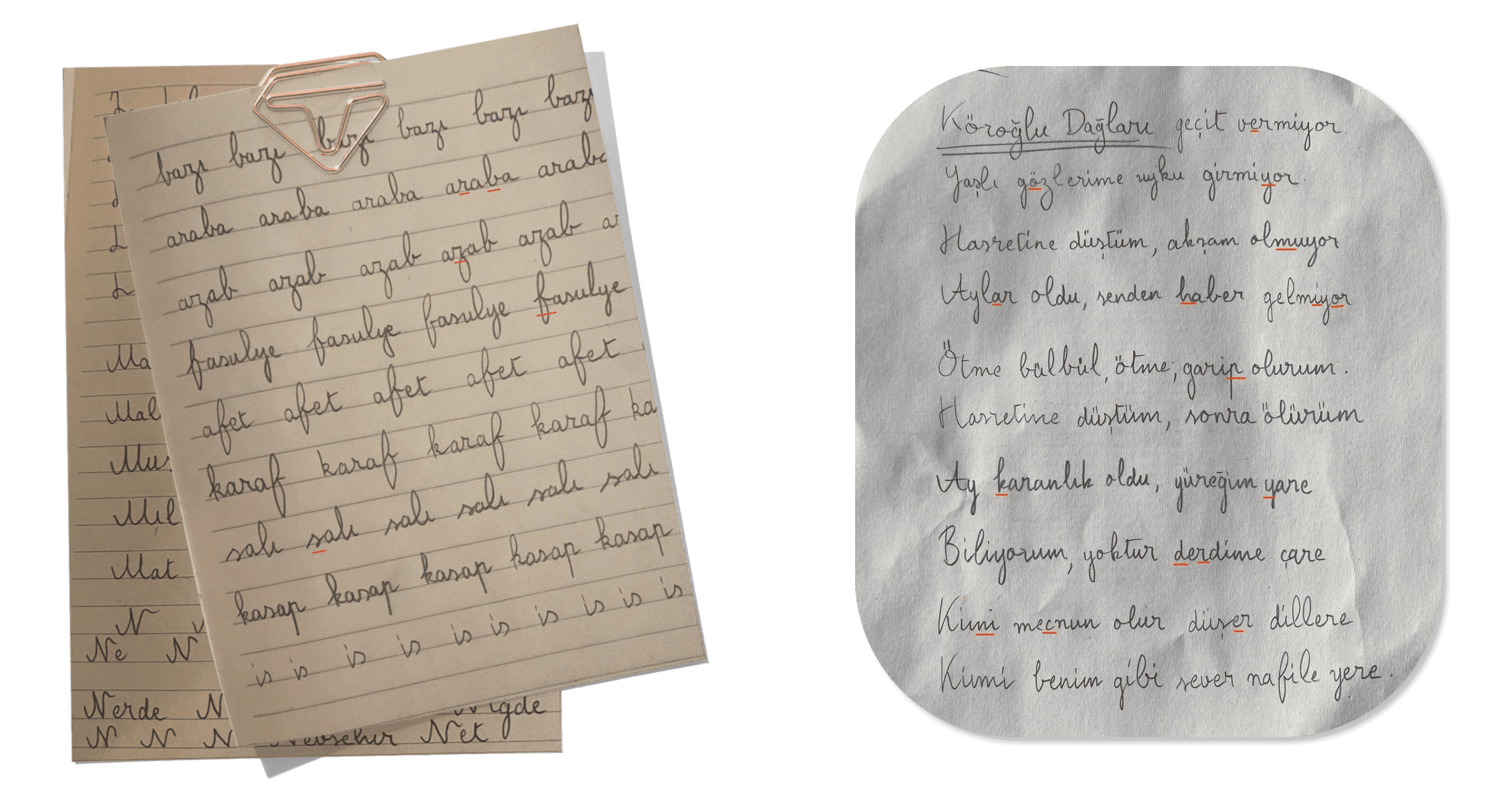
The first step was to collect handwriting samples from my friend. I asked him to write each letter multiple times, both individually and within different word combinations, so I could understand the natural rhythm of his handwriting.

Rather than copying a single version of each letter, I looked for repeated patterns across the samples such as the shape of each character, stroke direction, spacing, and how letters connected to each other.

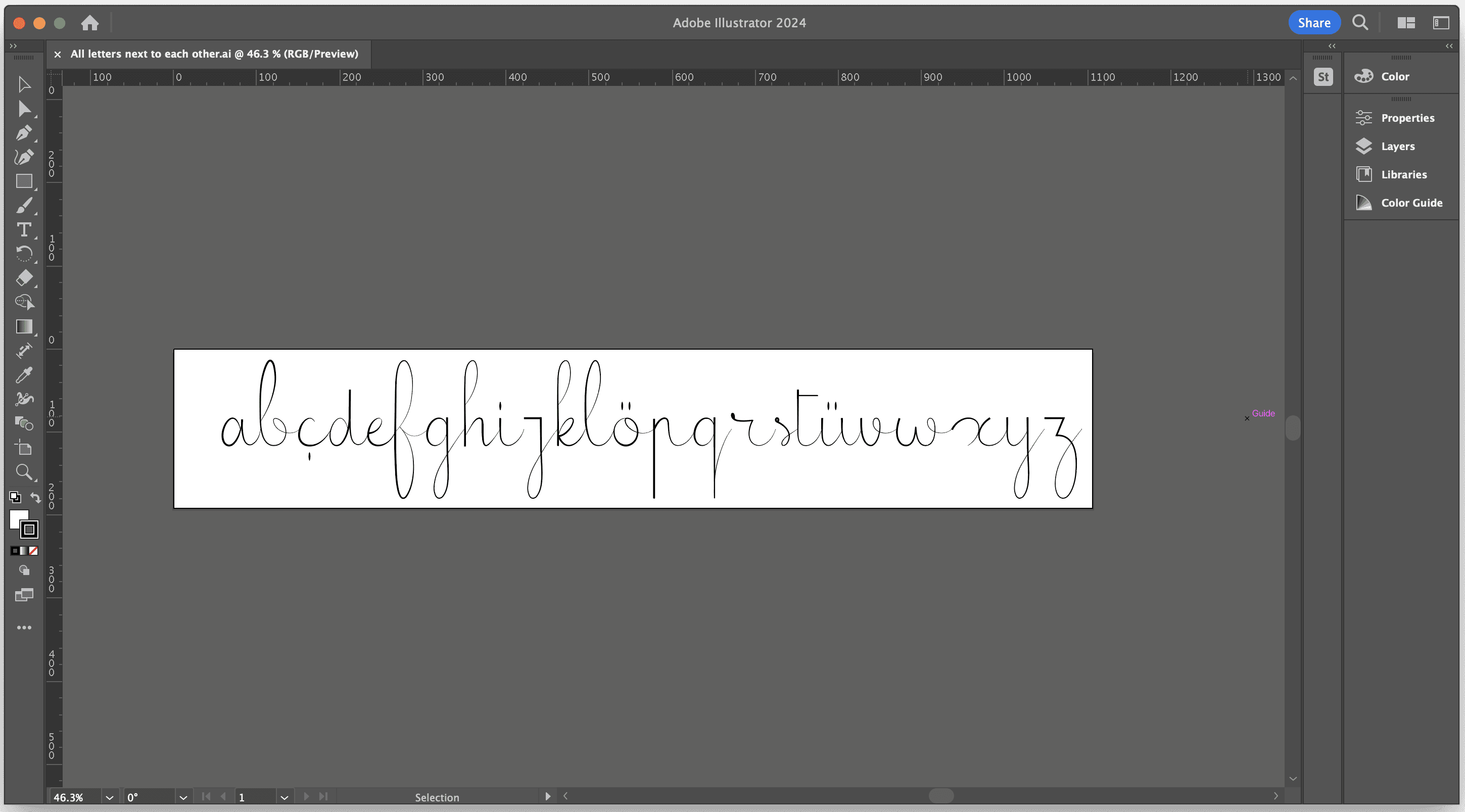
The main challenge was ensuring that each letter accurately captured his unique style, as handwriting can vary slightly each time. After careful consideration, we selected the best representation of each letter, which I then recreated in Adobe Illustrator.

Some handwritten examples:
Letters drawn in Adobe Illustrator:
Cursive challenge

Another challenge came from the cursive nature of the handwriting, where each letter needed to connect smoothly to the next. Because the connections changed depending on the letter pair, one version of each letter was not enough. I had to study how each letter ended, how the next one began, and create multiple variations to support different joining scenarios.

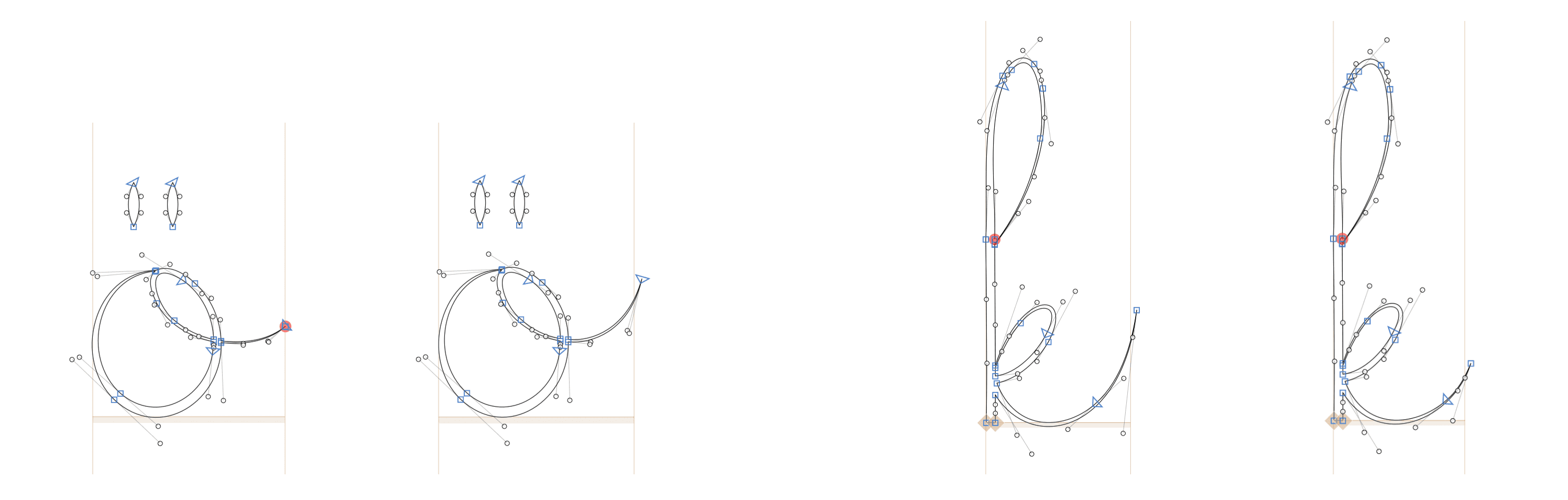
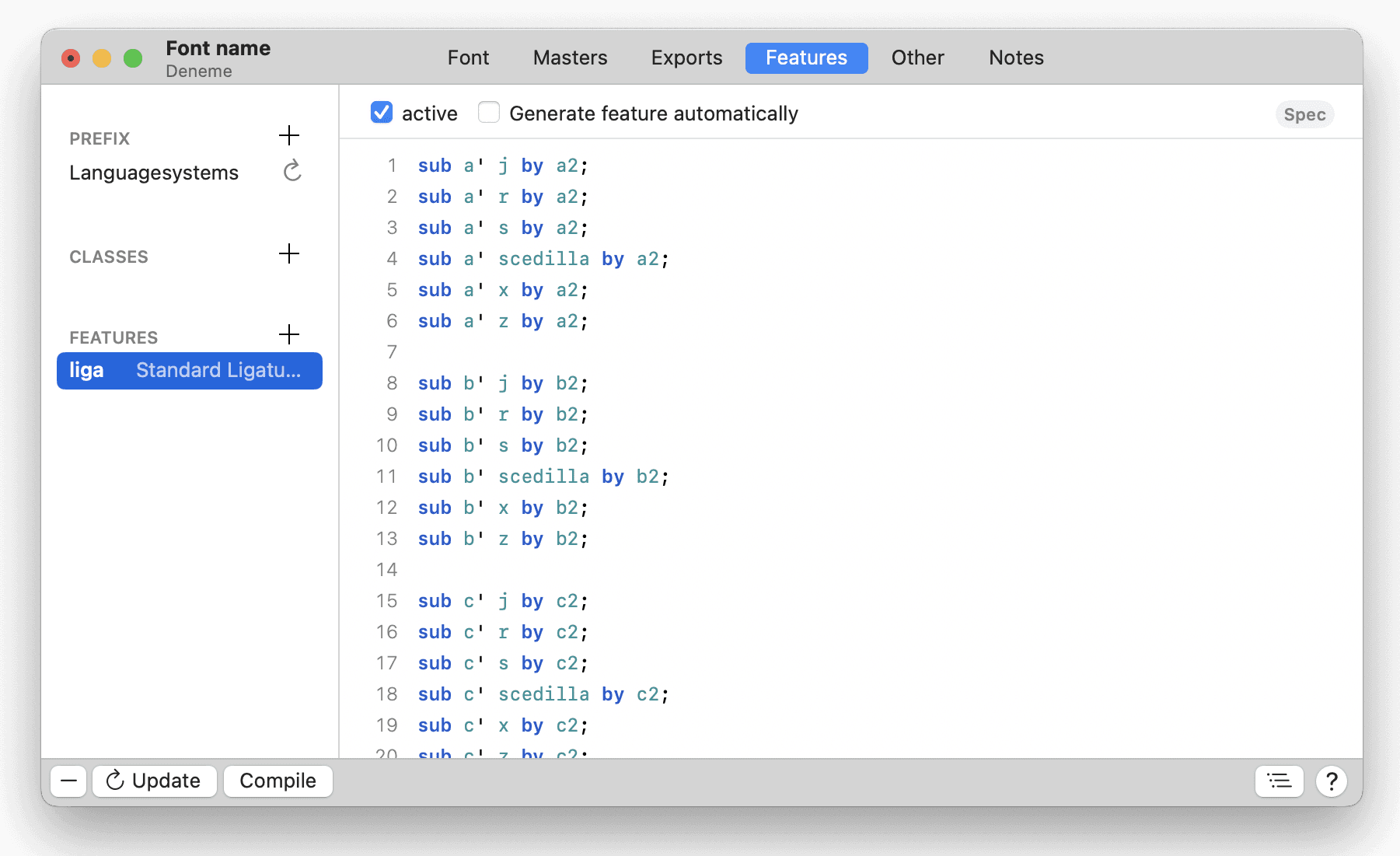
Further research led me to discover a feature called ligatures, which allows for the creation of specific letter pairs with unique connections. I created each letter with two possible ending points, then used ligature coding to apply the right connection for each pair. This solution helped maintain the fluid and natural look of the cursive handwriting.

Cursive challenge

Another challenge came from the cursive nature of the handwriting, where each letter needed to connect smoothly to the next. Because the connections changed depending on the letter pair, one version of each letter was not enough. I had to study how each letter ended, how the next one began, and create multiple variations to support different joining scenarios.

Further research led me to discover a feature called ligatures, which allows for the creation of specific letter pairs with unique connections. I created each letter with two possible ending points, then used ligature coding to apply the right connection for each pair. This solution helped maintain the fluid and natural look of the cursive handwriting.

Cursive challenge

Another challenge came from the cursive nature of the handwriting, where each letter needed to connect smoothly to the next. Because the connections changed depending on the letter pair, one version of each letter was not enough. I had to study how each letter ended, how the next one began, and create multiple variations to support different joining scenarios.

Further research led me to discover a feature called ligatures, which allows for the creation of specific letter pairs with unique connections. I created each letter with two possible ending points, then used ligature coding to apply the right connection for each pair. This solution helped maintain the fluid and natural look of the cursive handwriting.

Same letters with different end points:

Ligature codes in Glyphs

Same letters with different end points:

Ligature codes in Glyphs

Same letters with different end points:

Ligature codes in Glyphs

Outcome

After drawing, refining, and testing the letterforms, I created a working handwritten font based on my friend’s handwriting.

The final typeface was not released publicly, as it was based on someone’s personal handwriting. However, I created a short video showing the font in use and demonstrating how the letters connect in written sentences.